
2024 Budget responses prove the Government is yet to get it right
Whether labelled as a missed opportunity or welcomed with open arms, the 2024 Budget has well and truly earned its crown as a divisive budget.
Published on 16 May 2024
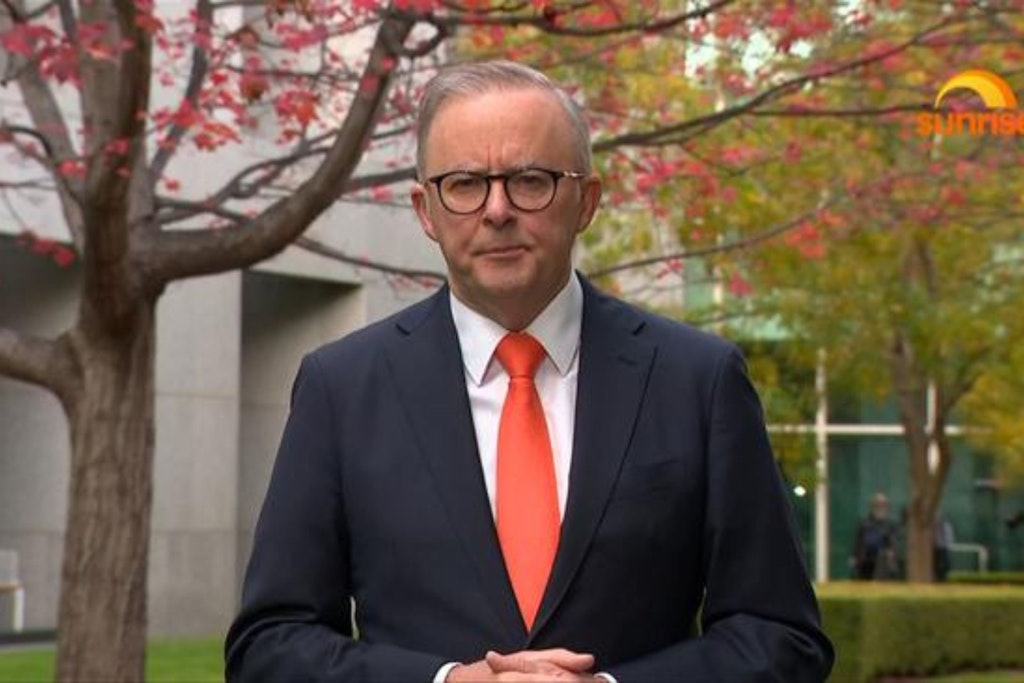
Whether labelled as a missed opportunity or welcomed with open arms, the 2024 Budget has well and truly earned its crown as a divisive budget.
And the reactions have continued to flow through the aged care ranks during the week with stakeholders across the country sharing their thoughts.
A backward step for some
One of the most common comments we’re hearing is how disappointed aged care leaders are over the lack of response to the Aged Care Taskforce’s recommendations. While most would not have expected to see those recommendations as a focal point, the fact none have been commented on or addressed in some way is concerning.
“At this time of uncertainty, we need clarity and conviction to act on the Taskforce’s recommendations when the sector requires decisive leadership and direction to ensure our aged care services remain world-class now and into the future,” Southern Cross Care Queensland CEO, Jason Eldering, said.
“There is urgent need for reforms to address the challenges of our aging population, especially given the unique pressures faced by regional providers compared to metropolitan ones.”
“The delay exacerbates existing issues of underinvestment and innovation that are desperately required for this critical Health & Community Service sector.”
Mr Eldering urged the Government to show more courage and act on the Taskforce’s recommendations without further delay.
Other industry leaders who share those concerns over Taskforce recommendation delays include ACCPA CEO and Taskforce member, Tom Symondson.
“We need to see this critical reform, which is fully supported by the sector, introduced as soon as possible, to give providers and older people confidence. We need to see the Government’s response and we need all sides of politics to get behind these reforms. Only bi-partisan support can ensure that they stand the test of time,” he said.
Outcomes fall short for rural Australians
From the neighbouring healthcare sector, Nicole O’Reilly, Chairperson of the National Rural Health Alliance, said the Budget fell short of their expectations.
“It is disheartening to observe the Government’s lack of responsiveness to rural voices and its failure to commit to comprehensive reforms that would offer sustainable and long-term benefits for rural communities,” she said.
There were smaller handouts to rural communities, otherwise classified as ‘thin markets’, in the budget. These included a 12-month extension of the General Practice Incentive Fund to improve access to primary care, a three-year extension of the Home Care Workforce Support Program and additional funding for aged care service providers transitioning to the AN-ACC funding model.
However, statistics show that the further an Australian lives from an urban centre, the lower their life expectancy, while they access Medicare up to 50% less than people living in cities. With less support for healthcare services in regional areas, older people are more likely to leave their community and the existing services fighting for survival.
“Funding could have enabled rural Australians to access health and medical services in their local communities. We call on the government to make a better commitment at the next opportunity to ensure that our rural communities are looked after,” Ms O’Reilly added.
“We acknowledge the new Commonwealth Prac Payment and the opportunity it will provide to support students to experience rural based clinical placements.”
Welcomed workforce initiatives
The Australian Nursing and Midwifery Federation (ANMF) was also grateful for the Prac Payment, saying it would help ease the cost of living pressures for nurses, midwives and care workers. ANMF Federal Secretary, Annie Butler, said it’s good news for their members.
“The Government’s continuing commitment to investment in health and aged care addresses a number of issues that have been impacting the ability of our nurses, midwives and care workers to deliver quality care and creates a pathway for further, and much needed, policy reforms leading to a modern Medicare and improved access to timely health care,” she said.
“While full details will follow, the Government’s commitment to funding further wage increases in aged care will certainly be welcomed by underpaid and undervalued, predominantly female, workers. We commend the Government for recognising the true value of the work performed in traditionally female-dominated industries.”
Although the estimated funding commitment for the upcoming aged care pay rise is unconfirmed, the Government has invested over $65.6 million over four years for aged care worker attraction and retention.


