
Fashion show featuring “Future Diapers”: Dignity, design and the end of embarrassment
A bold runway show at the Osaka Expo has turned heads — and old ideas — about adult continence care on their head. From high-tech design to dignity in daily life, the “Future Diapers” showcase is a reminder that incontinence is mainstream, not marginal, and innovation should never stop at the bathroom door.
Last updated on 1 July 2025
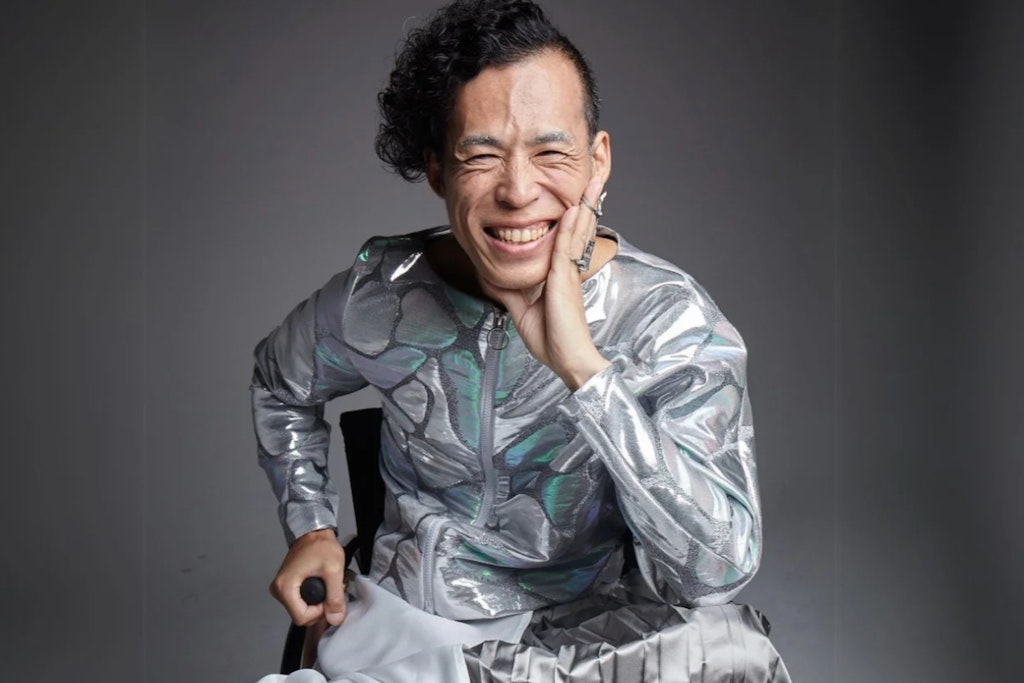
At first glance, a diaper fashion show might sound like satire. But in June 2025, that’s exactly what took centre stage at the Osaka Expo in Japan — and it’s challenging everything we think we know about continence care.
In a bold and colourful showcase, the “O-MU-TSU WORLD EXPO”, led by the Japan Welfare and Medical Fashion Association, reimagined adult diapers not as hidden medical devices, but as wearable, stylish, and empowering fashion statements.
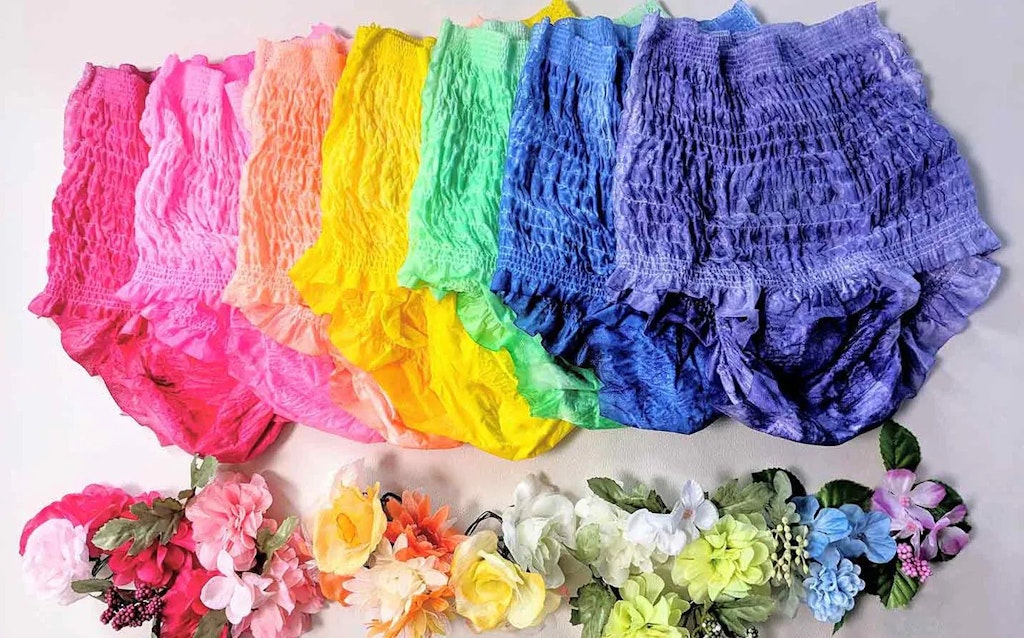
This was no gimmick. The event was part of the Expo’s broader theme: Designing Future Society for Our Lives. And its message was clear — continence products are part of everyday life for millions of people, and they deserve innovation, dignity, and design leadership just like any other area of health and wellbeing.
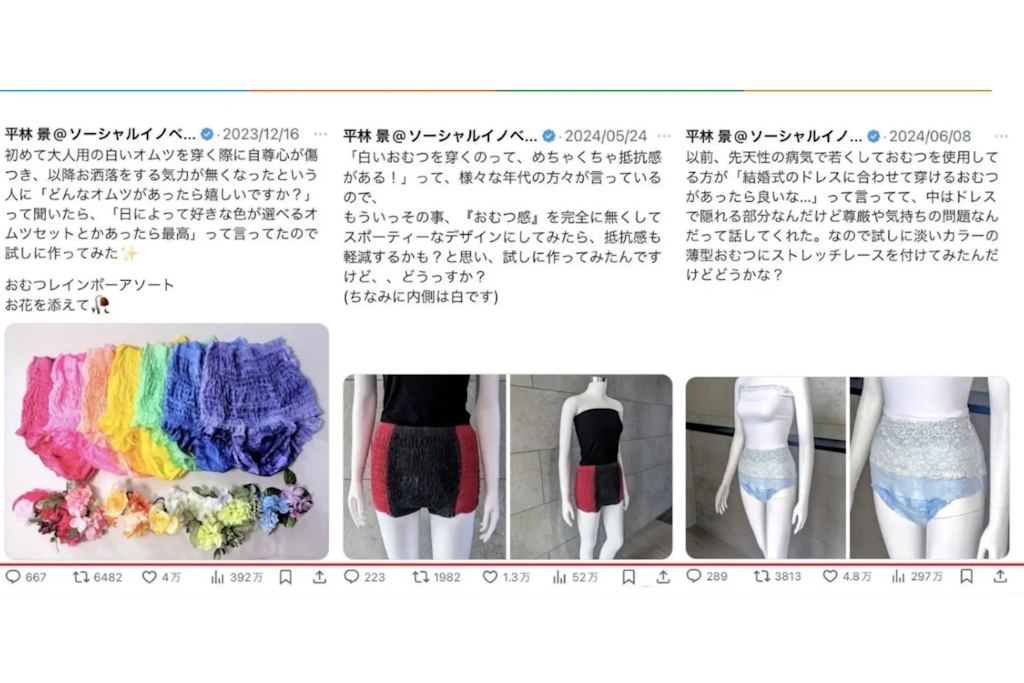
The post on CEO Hirabayashi’s X (formerly Twitter) has been met with a great response. Even before the event started, it recorded 24 million impressions , showing the high level of interest in the topic among the public.
Incontinence isn’t niche — it’s the norm
For too long, incontinence has been treated as a quiet, uncomfortable side issue — particularly in aged care. Yet up to 70% of aged care residents live with some form of incontinence, and in the community, millions more live with it daily.
Despite its prevalence, it remains underfunded, under-designed and underdiscussed. A 2023 report from the Aged Care Quality and Safety Commission pointed to poor continence care as a major contributor to infection risk, falls, and loss of dignity.
In other words: this isn’t just a comfort issue — it’s a care quality issue.
What innovation looks like (and feels like)
Globally, the incontinence care category is undergoing a quiet transformation:
- TENA SmartCare uses moisture sensors to alert staff when residents need changing, improving comfort and reducing unnecessary disruptions.
- Willow in the U.S. is redesigning continence packaging for younger consumers, normalising discussion and access.
- Japanese manufacturers are creating absorbent underwear that look and feel like regular fashion items, enabling discretion without discomfort.
And now, thanks to the Osaka runway, that innovation is being seen, not just hidden.
The Australian opportunity: do we miss the moment?
Incontinence care doesn’t need to be clinical, embarrassing or hidden. In fact, Australia has a chance to lead in this space — by shifting how we design, procure and deliver continence care products and services.
Some questions for sector leaders:
- Are we designing around dignity?
- Are procurement decisions considering lived experience, not just unit cost?
- Are we creating programs that support confidence, not just hygiene?
Because innovation in care shouldn’t stop at technology or big-ticket reforms. It’s found in the details — like what someone wears when they wake up, go for a walk, or share lunch with others.
From embarrassment to empowerment
The Osaka fashion show wasn’t about making incontinence trendy. It was about reframing a taboo — and showing the world that design and dignity can go hand-in-hand, even in the most private parts of care.
So what if the future of diapers isn’t just absorbent… but empowering?


