
Interactive guide offers insights that’ll help create a dementia-friendly home
Dementia Australia has launched a free interactive video guide, the Dementia-Friendly Home. It offers practical tips to enable people living with dementia to stay in a familiar environment and continue their regular lifestyle activities.
Last updated on 20 March 2025
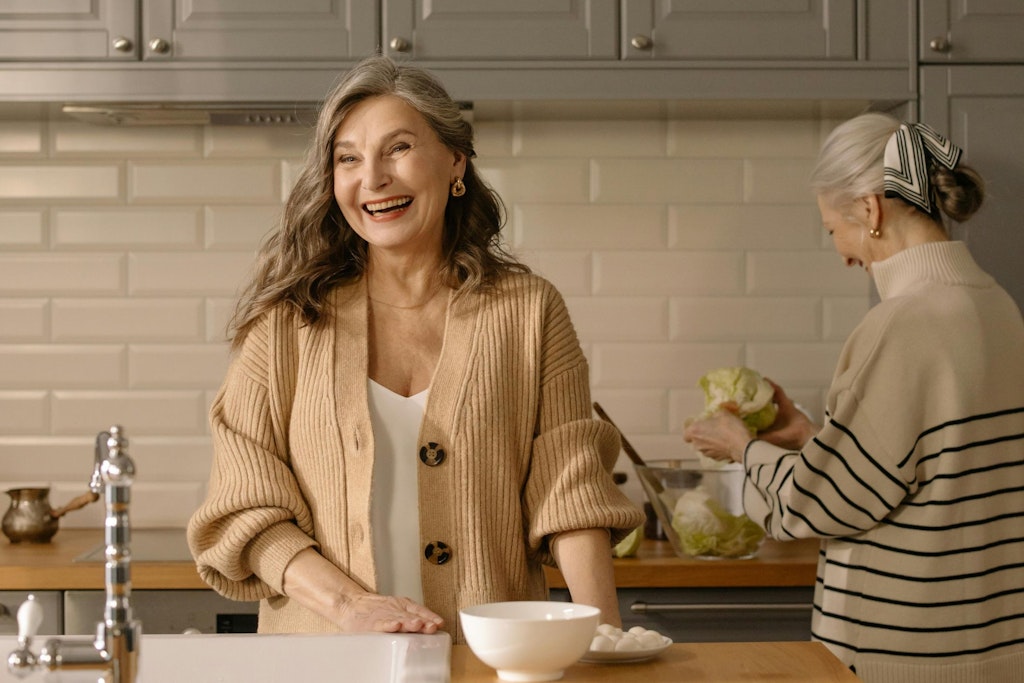
While service providers have full control over the physical environment in residential care settings, those working in home care have no assurances about their work environment.
And if it’s a challenge for a visitor to work in someone’s home, imagine how that might be for its residents, especially if someone is living with dementia.
The physical environment is critical to promoting independence and safety. Cluttered hallways, hard-to-open doors or cabinets, dim lighting and stairs are just some of the features that can negatively impact daily living.
To tackle this widespread problem, Dementia Australia has launched a free interactive video guide, the Dementia-Friendly Home. It offers practical tips to enable people living with dementia to stay in a familiar environment and continue their regular lifestyle activities.
Dementia Australia Chief Executive Officer Professor Tanya Buchanan said it would support people living with dementia, their families and carers to remain independent for as long as possible.
“For the more than 433,300 Australians living with dementia, everyday activities can get harder,” Professor Buchanan said.
“This guide can help, with practical tips such as clearing walkways or using contrasting colours when setting the table.
“The Dementia-Friendly Home supports independence, dignity and safety for people living with dementia, their families and carers.”
Magda Myszkowski, Associate/Senior Interior Designer at Deicke Richards, specialises in creating dementia-friendly spaces. She has worked with Queensland providers such as Benevolent Living, Aveo and TriCare and was engaged by Dementia Australia to consult on the project and narrate the final video.

“As an interior designer, I believe that our environments have a big impact on our mood and the way we feel. So we can help people living with dementia – whether you’re a carer, designer or occupational therapist – by shaping the environment so they can feel safe,” she said.
“The principles we use in aged care projects to create dementia-enabling environments can also work anywhere, whether they’re community buildings or in a person’s home. So this is a great tool that can support everybody living with dementia and their unique needs.”
Two in three people living with dementia reside in the community, indicating that a free tool such as the Dementia-Friendly Home could have far-reaching positive benefits.
Although much of Ms Myszkowski’s work has occurred in residential care spaces, she said many – if not all – of the design elements that are beneficial in residential care spaces can deliver a strong impact in the home.
This includes dynamic lighting that helps with movement but can also be turned down low when it’s time to sleep, strong colour contrasts that define spaces, and even removing furniture or features that might complicate a room’s purpose.
“You want to create meaningful places in the home. It could be as obvious as labelling things to define their purpose and removing unnecessary items that do not represent the activity you want to happen in that space,” she said.

“When you go into the bedroom everything that doesn’t relate to sleeping or resting is removed. This could include taking away the television, computer or exercise equipment that might be in there.
“Then you can also define the place where you dress. All of the items you might use to get ready, such as a brush, are placed on a table. Perhaps you even remove a door to one of the wardrobes so you can clearly see the clothes and understand the space’s purpose.”
Many of the changes suggested by the Dementia-Friendly Home video are also highly practical and perfect for any budget. This means small changes can make a big difference.
“Making our home as safe and comfortable as possible was important after Joyce received a dementia diagnosis,” shared Dementia Australia advocate Joe Coppi, who cares for his wife Joyce.
“We now have labels on cupboards and a motion-activated light that turns on when Joyce gets up from the bed at night-time.”
Through education and support, including assistance from occupational therapists, any home environment can now be transformed into a dementia-friendly space.
For more information and to access the video guide, visit Dementia Australia’s website or contact [email protected] with any enquiries.


