
Meals on Wheels NSW launches Futures Lab to co-design the next generation of community care
Meals on Wheels NSW is launching a two-day Futures Lab to help its 130-service network navigate aged care reform, explore new funding models and examine how robotics and AI could support sustainable community-based care.
Last updated on 16 February 2026

Meals on Wheels NSW will bring leaders from across its 130-service network together in Sydney next week for a two-day, member-driven forum designed to shape the future of community-based aged care.
Held on 16–17 February, the inaugural Futures Lab moves beyond a traditional conference format. Instead, it has been positioned as a working forum focused on turning aged care reform into practical, workable solutions for local meal services, many of which operate in thin markets, rely heavily on volunteers and support older people who need low-risk, high-value assistance to remain at home.
With reform accelerating under the new Aged Care Act and Support at Home changes, the organisation says the timing is deliberate.
“Futures Lab is where we get out of the abstract policy conversation and into what matters: what services actually need to keep delivering meals, connection, and a basic wellbeing check in every community,” said Claudia Odello, CEO of Meals on Wheels NSW.
Beyond policy, the forum will also explore funding models, social return on investment and new forms of advocacy to strengthen sustainability across the network.
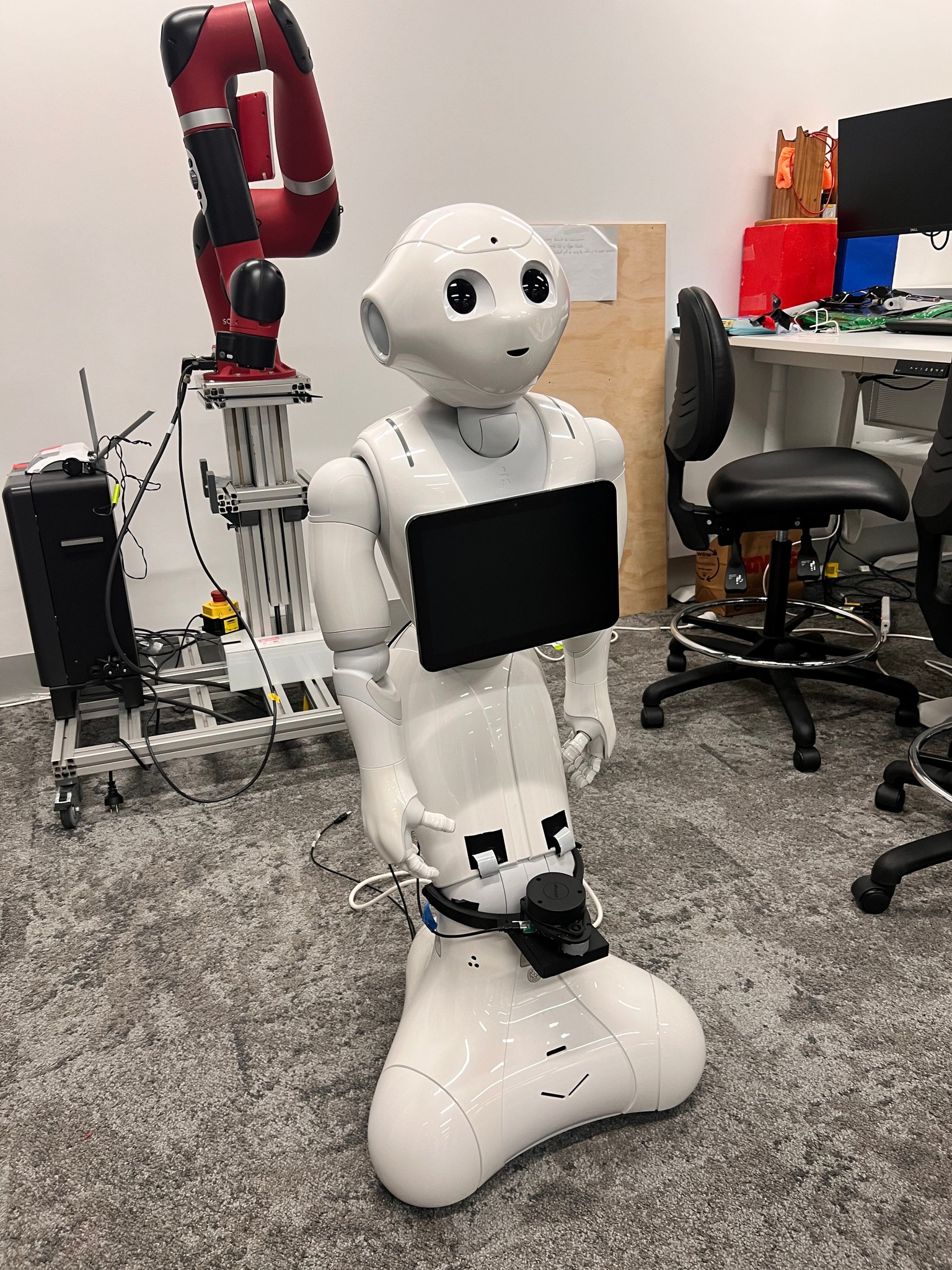
“And it’s also a chance to explore what’s coming – including advocacy work, funding models and social return on investment, additional supports we can provide to local Meals on Wheels services. It is also an introductory look at how Robotics and AI could help strengthen service delivery, support volunteers, and improve client connection, while keeping people and safety at the centre,” Ms Odello said.
From policy to practical action
Futures Lab has been designed to translate frontline experience into clear organisational priorities. Focus areas include:
- Future models – exploring new ways of working and delivering services to strengthen long-term sustainability
- System reform – navigating policy shifts and partnership opportunities to support local providers
- Innovation in action – sharing practical innovations and successful examples from across the network
- Strategic advocacy – identifying immediate priorities Meals on Wheels NSW will progress on behalf of members
- Robotics and AI – examining practical applications, risks and readiness considerations for community-based services, including how technology may support connection, safety and continuity
In a signal of where the conversation is heading, the event will open with Pepper, a social robot developed by the UTS Robotics Institute at the University of Technology Sydney, offering a live demonstration of assistive technology in action.
“The Futures Lab is not just a meeting; it is a design studio for the future of our service. Insights generated across the two days will directly inform delivery of Meals on Wheels NSW strategic plan priorities, ensuring local voices remain central as the system changes,” Ms Odello said.
For a sector built on volunteers, community trust and regular human contact, the message is clear: sustainability, innovation and reform readiness can no longer sit in separate conversations.
Futures Lab 2026 is framed around one core objective – protecting what matters most. That means ensuring older people can continue living well at home, supported by a meal, a moment of connection and a service model that remains viable in every community.


