
MercyCare launches fifth aged care home, embraces Care Companion worker model
Western Australia’s MercyCare has unveiled its fifth residential aged care home, bringing the small-house model of care to Perth’s southeast.
Published on 28 February 2024
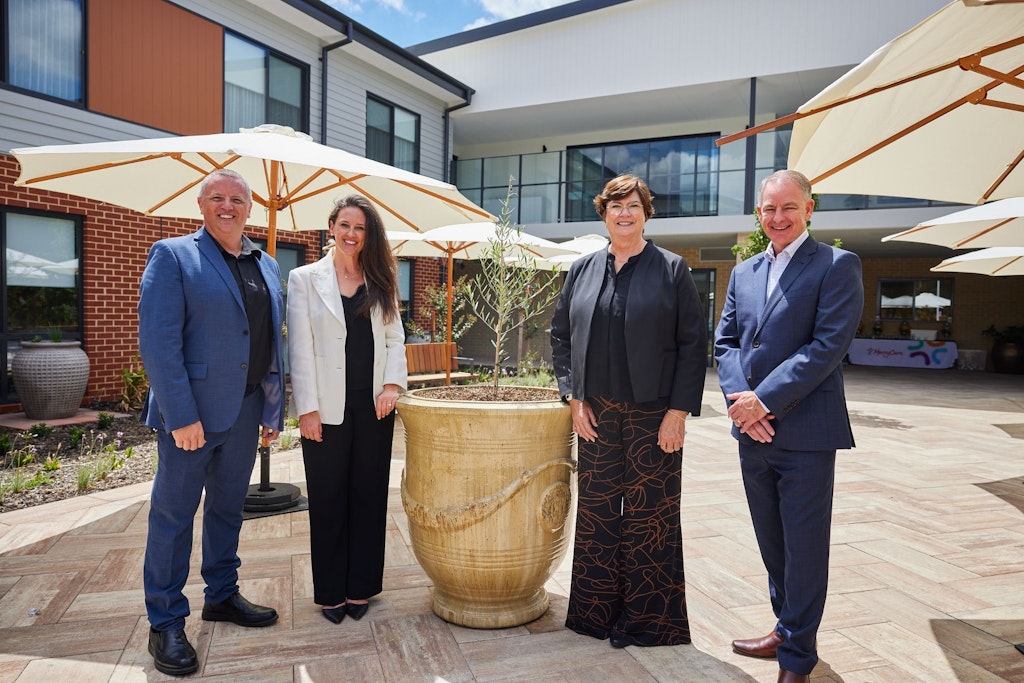
Western Australia’s MercyCare has unveiled its fifth residential aged care home, bringing the small-house model of care to Perth’s southeast.
Key points
- MercyCare provides aged care services across residential home care, retirement living and home care settings with physical sites in Wembley, Maddington, Kelmscott, Joondalup and Rockingham (all WA)
- Their newest residential aged care home in Maddington is a $35 million venture with 108 beds evenly distributed across six smaller homes
- Each home is designed to support residents with high care needs, including two secure wings for up to 36 residents living with advanced dementia
- MercyCare has adopted a new approach to its staff by employing Care Companions who can look after residents’ holistic needs all while working within one specific home
Work began at MercyCare’s Maddington site four years ago to create a home-like living environment across several smaller homes. Focusing on intimacy, connection and accessibility, MercyCare CEO Anthony Smith said they are proud to have established a truly person-centred home.
“The values of MercyCare, and who we are as an organisation, have come to life in this building. Our brief from the very beginning was that we wanted to create a place that would be home to 108 residents but was one that felt intimate and domestic,” Mr Smith said.
“We have created a community for the future – this new building and the clever design of the physical space, together with our model of care, is what makes this place special and we can’t wait to welcome our residents on day one.”
“When they walk in, feel comfortable and like they are home, that is when we will know we have been truly successful,” he added.
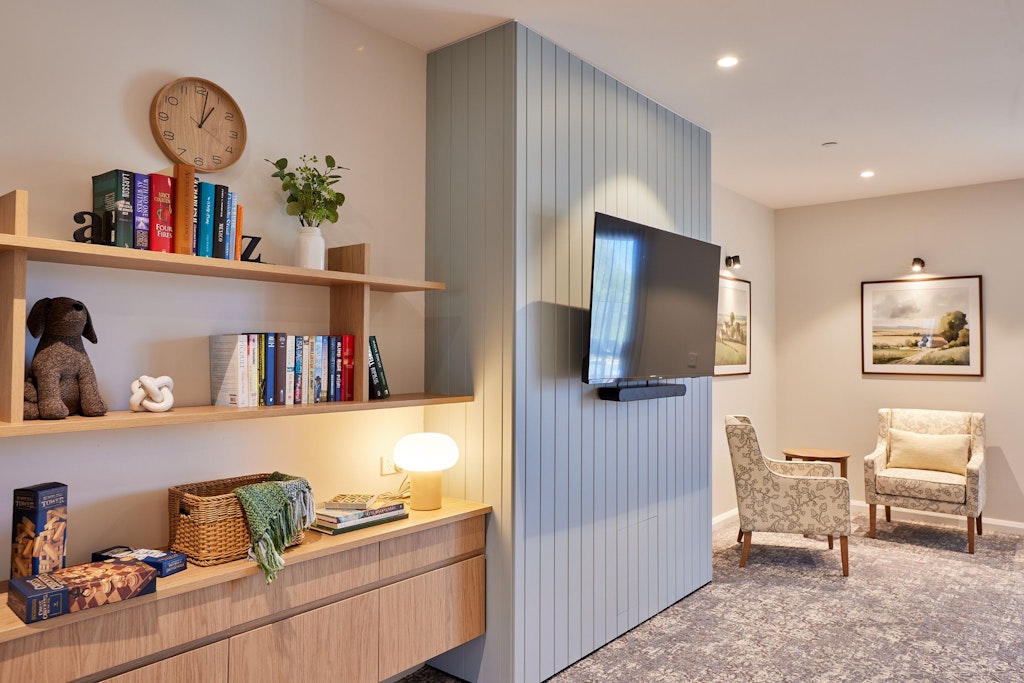
Technology has been embraced to ensure residents living with dementia and high care needs can be supported in an environment where their independence is still promoted. This approach means technology is built into existing features to help residents remain safe and secure without intruding on their privacy.
Phil Martin, Executive Director of Aged Care Services, said the home was designed to be future-proof.
“We want our residents to feel as independent as possible, so we have technology in rooms that passively monitor resident movements –so we can detect if they may have had a fall, or are at risk of a fall, or if someone else has wandered into their room when they shouldn’t have, all whilst respecting their privacy,” he said.
Modern technology isn’t the only new feature in the Maddington site – where individual room prices range from $460,000 – $550,000 – with a new model of care introduced.
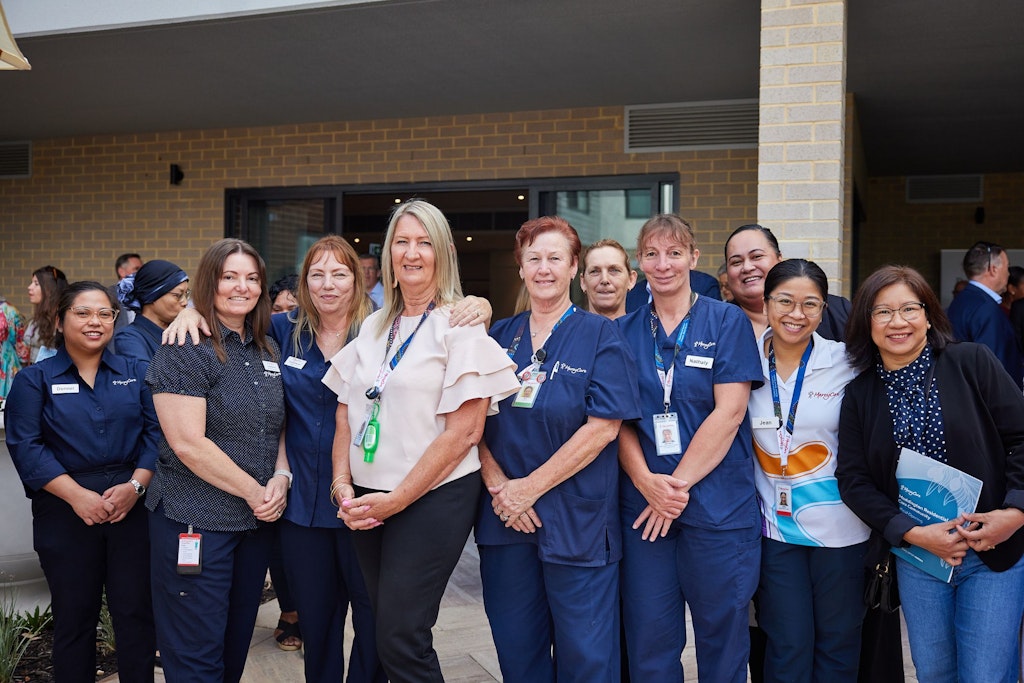
Mr Martin said they wanted to have staff who could provide a holistic approach to care, rather than being siloed into separate roles. As a result, Care Companions provide personal care, clinical care, spiritual care and wellness support in a multifaceted role.
This does not come at the expense of mandated 24/7 Registered Nursing (RN) requirements, with Mr Martin explaining it enables them to deliver what residents want as part of their person-centred care approach.
“Our Care Companions are then focused on what is truly important to a resident and assist them with that on their day. The same staff will work in the same home, meaning our care teams truly get to know each of their 18 residents deeply,” he added.
Other important features include dementia design principles such as contrasting colours and materials to support safe resident movement, plus safe walking loops and memory supports.
Research was also conducted to help design discrete back-of-house facilities, ensuring laundry and kitchen staff could operate efficiently while rarely intruding on the domestic feel of the homes. Additional innovative laundry solutions have completely separated dirty and clean laundry to reduce the risk of germs spreading during contagious outbreaks.
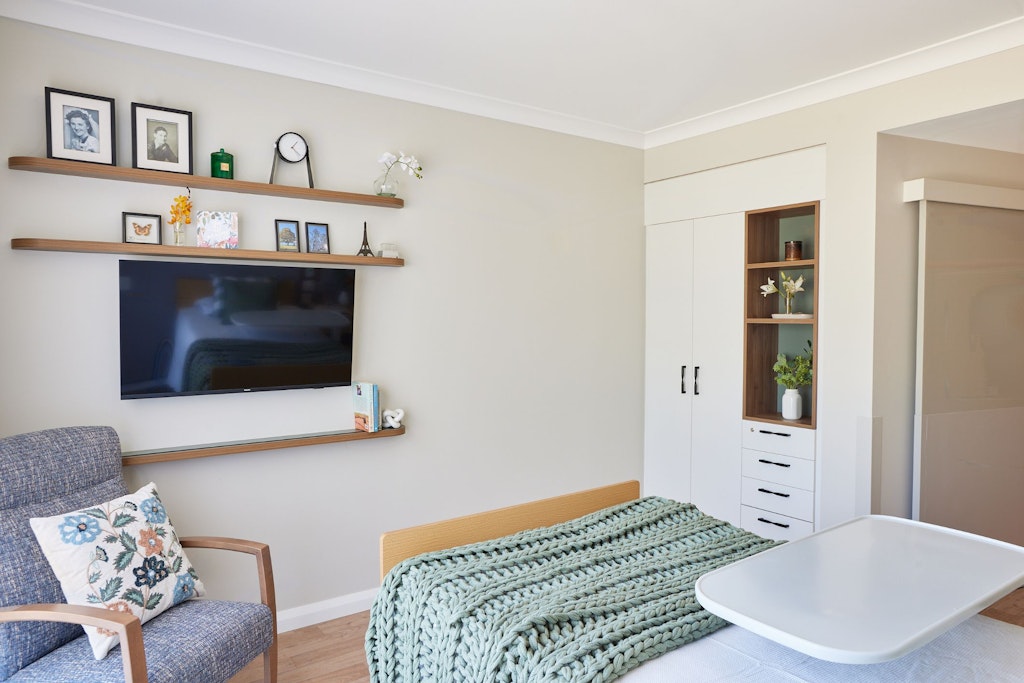
As for the six homes, each one has a lounge room, library/quiet area and dining room, while there is a kitchen space that can be used by staff, residents and families to promote ongoing engagement in much-loved activities.
“We cook all of our food on site for our residents, but know that experience of cooking, and participating in meal preparation, is important to many of them,” Mr Martin said.
“The dining room has easy access to internal gardens via automatic doors and includes an enabling kitchen which can be used by staff or families and residents to cook simple items like pancakes or scones engaging residents in everyday activities just like they would if they were in their own home.”


