
Person-centred approach key to long lasting care
The Aged Care sector is constantly facing new challenges. But with a sector-wide staff shortage, how do providers keep up with the demand for high-quality care?
Last updated on 2 April 2024
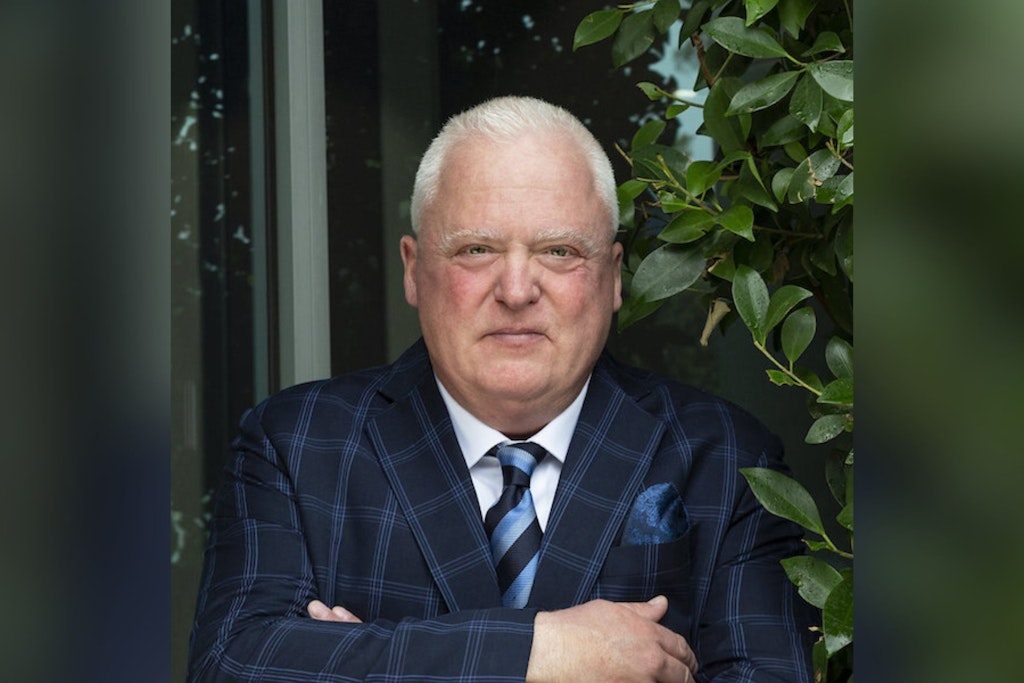
This article was written by Graeme Croft, Executive Director of Signature Care, for the hello leaders Summer-Autumn Print Edition.
The aged care sector is constantly facing new challenges. From reporting statistics, to care minute quotas, there’s always something to keep you on your toes. But with a sector-wide staff shortage, how do providers keep up with the demand for high-quality care?
Signature Care is a significant contributor of new aged care buildings for the residential aged care facilities (RACF) sector, delivering around four new homes a year, approximately 600 beds per annum or over 3,500 beds over the past 15 years.
Until recently locations for new homes were mandated by the Aged Care Approvals Round (ACAR), but since this process has been disbanded, the selection of new sites has been limited and uncertainty over funding models has limited new investment in the sector.
Without the security of Refundable Accommodation Deposits (RADS) or Daily Accommodation Payments (DAPs) security, it is hard to justify private capital to new ventures.
Over the past 12 months, all of Signature Care’s new ventures have had massive waiting lists with all homes filling between six and nine months, mostly dependent on recruiting appropriate staff and allowing for on-site training, orientation and continuing review.
Without the mandated ACAR I wonder how many new regional homes are now likely to be built, as capital is likely to be attracted to metropolitan locations where the security of RAD inflow matches the capital cost of construction.
The Final Report Aged Care Design Principles, by the Department of Health and Aged Care, September 2023, highlighted the following principles:
- Enabling a person to cultivate a home
- Access outdoors
- Connect with community
The report focused on many things including the small households with domestic kitchens, with no prescriptive definition of what this means. Given the requirement of reporting of Care hours and minutes under AN-ACC, this presents a potential conflict of working within the small home model where all of the care staff contribute to the working of a household model.
To create a safe household environment I am not sure that I would want care staff going from resident care to participating in food production. There are some notable comments in particular “outdoor access” and comfortable temperature and airflow considerations that have become even more important since COVID-19.
For many years the Signature Care model has featured all bedrooms with ceiling fans and individual reverse cycle air conditioning, and I see few new homes designed with these options, more seem to feature integrated centrally controlled air conditioning.
Information Technology (IT) was hardly featured in the design principles, but it is such an important part of every design we create, including CCTV, resident monitoring, access points, and new Artificial Intelligence (AI) predictive technology to minimise falls, and direct care staff activity to areas of concern.
It can also control water usage in irrigation and movement control for air conditioning, including automated shutdowns of air conditioning units to minimise energy.
Local, State and Federal Governments need to encourage investment in different care models and enable the timely development of new buildings in areas of emerging need so that homes are built ready for the baby boomers turning 80-plus.
RACF can assist in the hospital discharge process for older persons, who may need physiotherapy or short-term sub-acute care, but not immediate long-term residential care.
Whilst everyone would like to be cared for at home, the reality is the cost of organising staff with sufficient training, being available at times of need including overnight, weekend and public holidays is outside the means of most people to afford even with the highest care package available.
Graeme Croft is a veteran in the aged care sector with over 38 years of experience as a self-starter, entrepreneur and owner-operator of various aged care facilities throughout Melbourne.


