
Personalised approach to care gains momentum amid workforce shortages
The topic of workforce shortages fuelled by growing discontent among understaffed and overworked aged care workers has cultivated a climate of fear through news outlets reporting on the industry.
Published on 1 May 2023 (Last updated on 4 May 2023)
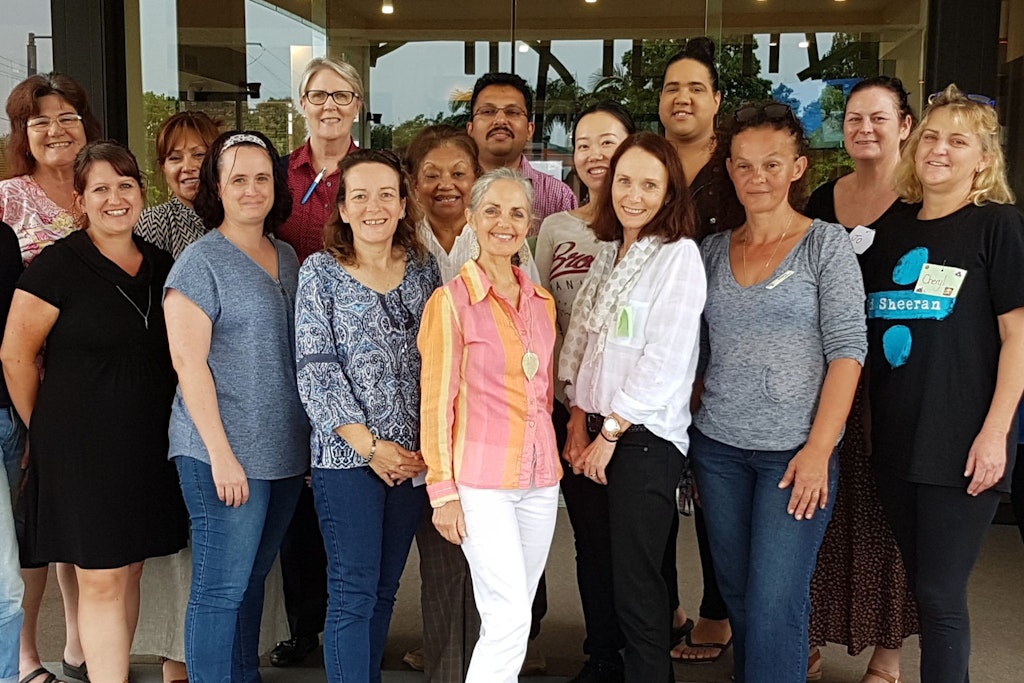
SPONSORED — The topic of workforce shortages fuelled by growing discontent among understaffed and overworked aged care workers has cultivated a climate of fear through news outlets reporting on the industry.
As many providers seek to juggle the burnout and post-pandemic problems of high turnover rate and a sector wide lack of incentive, older Australians living in aged care homes aren’t faring much better.
In a recently released report from Council on the Ageing (COTA), the extent of institutionalised and clinical care, compounded by lockdowns, had led 1 out of 7 older Australians over 75 to feel their mental health had worsened during the pandemic.
Of the respondents that were negatively impacted, 20% said that they felt they had no one to talk to about their emotional distress.
Globally, providers across Australasia have also seen the pandemic and its consequences as a teachable moment, using the skills, seminars and support of Eden in Oz & NZ to improve staff morale, along with the quality of care for residents and those accessing community care and social centres.
“Person-directed care comes from the heart, but institutional care comes for the money,” said Eden in Oz & NZ Executive Director Sally Hopkins.
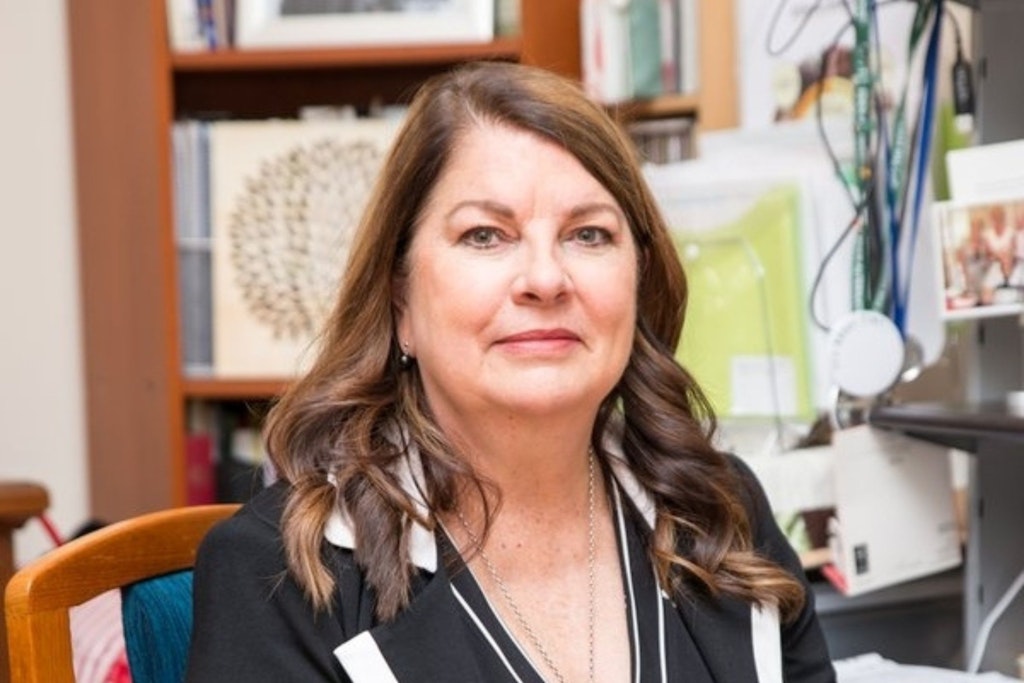
The Eden Alternative has educated organisational teams and individuals working in a residential care home or community care social centre about how their roles can be different from the traditional institutional clinical approach to service delivery. Educating them that their roles can be more enriching and fulfilling when they focus on the individual and the importance of relationships, is key to shifting our workforce attitudes and intentions.
Founded by Dr Bill Thomas M.D., this philosophy of person-directed care focuses on eliminating loneliness, helplessness and boredom through a wellbeing approach that celebrates relationships, diversity and ageing. Organisations that are implementing this model find many benefits for their staff, residents and families. They are rethinking their approach and empowering people to do their job differently.
“I’ve had residents say ‘I chose this facility’ because of the Eden Alternative model that is practiced here,” said Ms Hopkins.
“They had waiting lists of people that wanted to come and work at the home, they had waiting lists of people who wanted to come and live at the home, because they had seen what was there.”
In 2016, the Aged Care Workforce report published by the Department of Health revealed that 86.4% of personal care assistants had worked in other industries or had not worked at all prior to their first job in aged care.
As a result, the need to upskill has become a primary concern for the Government in the wake of the Royal Commission into Aged Care Quality and Safety.
“There’s hope that there are alternatives out there, that it’s not all bad. When we were able to re-start visiting aged care homes and visiting clients late last year, seeing our client teams do what they do with grace and determination and commitment, it just blew my mind,” Ms Hopkins added.
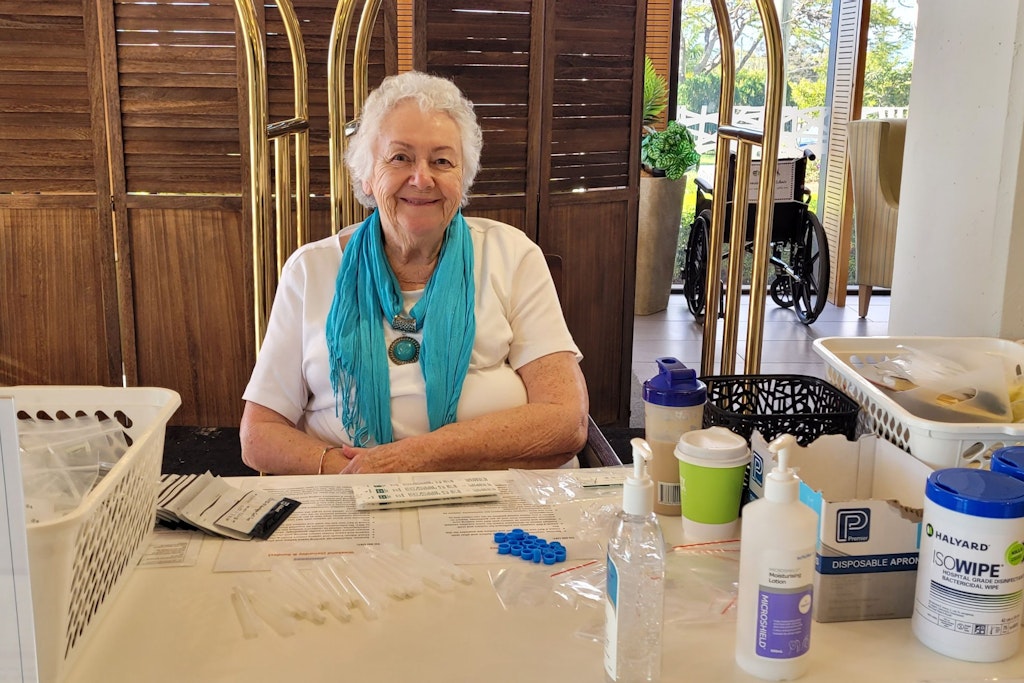
“Watching them and listening to them talk about why they continue to do what they do, it gave me hope that even if we may have a system that is smashed, that is undervalued, we have good people who can and are making a difference.
“In order to help these good people continue to make a difference, we need to support them through education that changes the way we deliver care to older people.” Continuing to provide the same clinical responses and practices without educating them that it can be different, sets people up to fail. Change will never happen.
Eden in Oz & NZ offer in-person training plans, including ‘the framework foundation’ to become a certified Eden Associate and receive an introduction to the Eden Alternative; the ‘leadership and creating an empowered culture’ program; ‘dementia care,’ which includes training on dementia care without relying on pharmaceutical medicine interventions and ‘best practice quality reviews, which help teams to grow their abilities and feel informed in aged and community care.
“The old institutional models would say ‘we’ll take over your life, because we’re here to take care of you,’ which is actually counterproductive. No one wants anyone else telling them how they will live their lives as they age. We need everyone to grow in their role, and respect and hear the voices of both our staff and those we serve especially,” Ms Hopkins said.
Eden in Oz & NZ have returned to hosting in-person events, going from seminars to webinars and back, with upcoming events slated to take place in Brisbane, Auckland, Singapore and Melbourne.
For more information about taking the personalised approach to personal care — in-person — visit the Eden in Oz & NZ website to learn more about the alternative wellbeing approach.


