
Telehealth can deliver better physio care but Government funding is essential
Virtual consultations could shake up the future of allied health in aged care but Government funding is essential for improving accessibility and affordability.
Published on 19 July 2023

Virtual consultations could shake up the future of allied health in aged care as experts call for greater technological investments to reduce the impact of a worsening healthcare crisis.
Just as the aged care industry is experiencing a shortfall in workers, Australia is reportedly 6000 physiotherapists short, with the need for healthcare professionals to intensify in the coming years.
Regional and remote areas have been impacted the most by the shortage, and based on experience, Australian Physiotherapy Association (APA) Vice President Rik Dawson said both regional and metropolitan providers could learn how to better serve their residents through technology.
“Regional health districts have already been doing telehealth successfully, enabling the connection of patients in hospitals and residential aged care facilities to their physio in regional and metro centres,” Mr Dawson explained.
“What was interesting is a lot of advocates were saying telehealth is not the solution, we need more health professionals in regional and remote areas. But telehealth has shown it’s possible to support patients anywhere on a broad scale. The good thing about COVID-19 was it showed everybody young and old you can have good health care delivered by telehealth. People expect it to be here now and there are a lot of people who experience the convenience.”
Mr Dawson, who was previously the Director of aged care specialist service Agewell Physiotherapy, is currently researching the effectiveness and acceptability of telehealth physio for aged care. He’s identified several barriers to effective telehealth care, including limited funding, no cohesive online digital health record system and inefficient provider support.

He’s found aged care providers who make a concerted effort to encourage the use of technology have benefited residents the most.
“We need local support. It’s not viable for an older frail person to get online and talk to a physio and do a physical assessment. Some of the facilities have a treatment room – a telehealth room – with a two-metre screen with a camera permanently set up. Doctors can Zoom in, physios can Zoom in, and it’s really efficient and effective. But in other places, they’re expecting us to do assessments on an iPad by resident beds which is less than ideal,” Mr Dawson said.
Additional Government funding required
Although there is some funding for allied health services under AN-ACC, there is no mandated benchmark for care minute quotas. Without a concerted effort to promote restorative care and reablement, aged care providers are left with limited resources to provide the kind of allied health services their residents truly need.
The APA, is leading a push to implement direct funding, having recently provided a submission in response to the Government’s draft National Strategy for the Care and Support Economy. They want to see a greater focus on allied health as part of future healthcare planning for older people and people with disability.
Jenny Aiken, Coviu Global Director and former APA Vice President, said virtual healthcare and new technologies such as wearable devices would become more accessible and affordable for businesses and individuals with Government funding.
“Everyone has to come together, the aged care providers in terms of the capital expenditure, the practitioners in terms of thinking about how we do things differently, the patients, but also the Government and the health insurers from a funding perspective. Without funding for healthcare, not much happens,” Ms Aiken said.
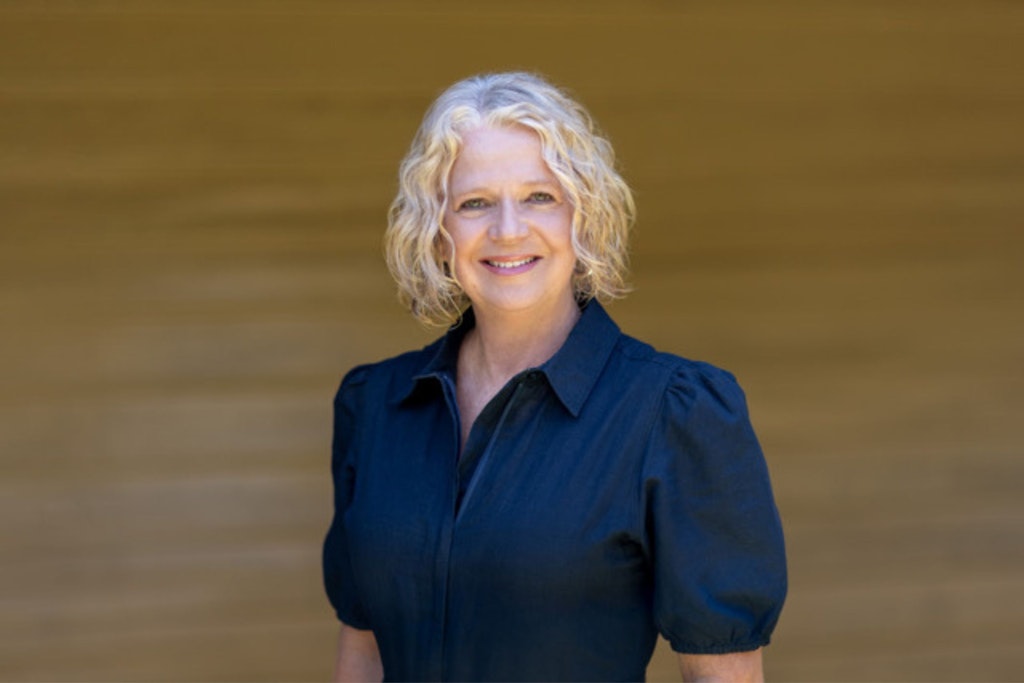
“They say health literacy is one of the biggest things in terms of health status and improving health literacy would make a big difference to how people manage their own care. Telehealth is a really effective way of delivering prevention. It’s about education and monitoring and it should enable more efficient and cost-effective prevention efforts which will help to address the looming healthcare crisis from a demand perspective.”
With the potential to greatly improve the efficiency of physiotherapists, virtual healthcare will feature heavily in new models of care. Yet even the most vocal supporters of allied health have seen little widespread change. Ms Aiken said it’s critical the Government steps up to lead the charge as a coordinated approach is the only way all of aged care can adopt new technologies.
“We can’t maintain the status quo; this healthcare crisis is looming in terms of demand versus supply and we seem to just be hoping it will go away. Hope isn’t going to cut it anymore,” she said.
“We have this unique opportunity post-pandemic with the acceleration of technology and adoption of technology to use it as an enabler for new models of care. But who’s funding it, who’s leading it? The Government needs to drag everyone along, otherwise, no one’s taking responsibility.”


