
The role of hospitality in aged care
Food isn’t just a necessity to life, it is one of life’s pleasures; high-quality food, presentation, taste and smell all play a part in contributing to a positive dining experience.
Last updated on 22 August 2023
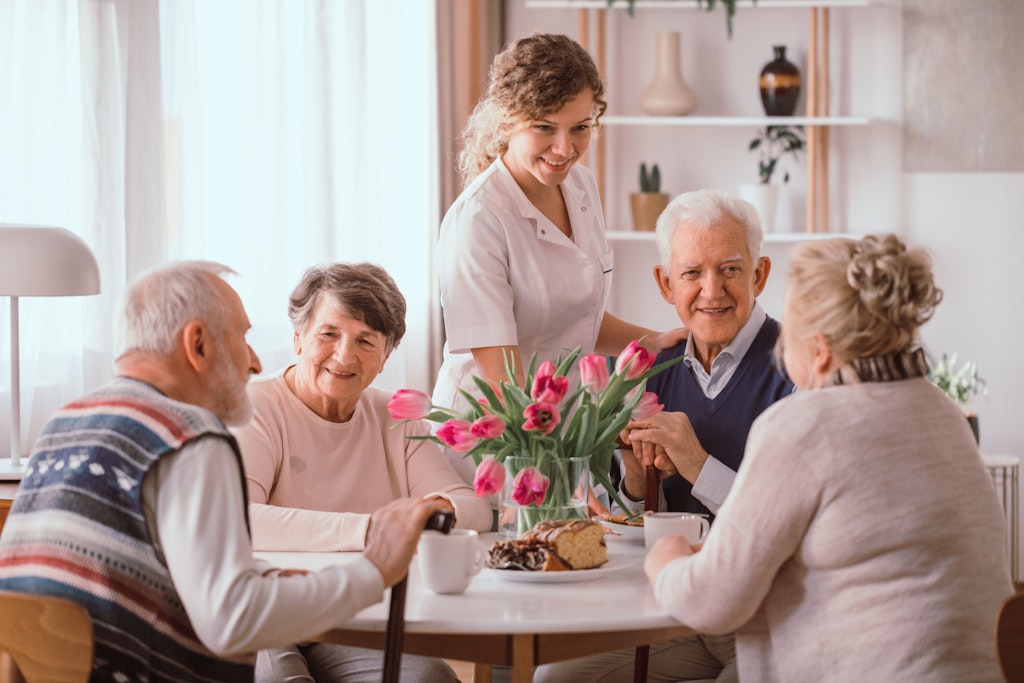
‘Do you like the food here?’, ‘Do you feel at home here? and ‘Is this place well run? are three questions asked on the Residents’ Experience Rating on the My Aged Care website.
The dining experience, food, laundry and cleaning services will influence a resident’s decision when answering these three questions, so delivering high level services that focus on a positive customer experience for your clients and residents in these areas can set you apart as a provider.
Food isn’t just a necessity to life, it is one of life’s pleasures; high-quality food, presentation, taste and smell all play a part in contributing to a positive dining experience. Furthermore, mealtimes can enhance social interaction, build a sense of community and the right nutrition contributes to a person’s mental and physical well-being.
Attaining a Michelin star rating experience for a dining experience isn’t compulsory, and indeed, not everyone wants to eat in a designated dining area every day; a resident may sometimes choose to eat in their room or enjoy their meal watching their favourite TV show.
But having good quality food, core basic standards of food delivery and aiming to deliver residents the best meal experience possible is essential.
From what is on the menu, to where and how the food is served, every aspect of the food, food delivery and the dining experience as a whole must be considered, and we’ve come a long way since the ‘one meal fits all’ mentality.
Aged care chefs recognise the importance of accommodating numerous different dietary needs – vegetarian, vegan, medically-advised, food intolerances or allergies, and cultural diversity but to name a few. They are also getting creative when catering for conditions such as dysphagia.
Innovations in crockery and cutlery design maintain dignity and support independence, while studies suggest blue crockery helps people with dementia to identify the food they are eating.
The importance of staff training cannot be underestimated. It could extend to giving them the perspective of a resident with dementia through a virtual reality (VR) headset. These show how different scenarios can impact on their enjoyment of the meal, and give staff a better understanding of what a person with dementia is experiencing.
Creating a good dining experience is a team effort. As well as chefs, and staff to serve the food, occupational therapists and speech pathologists can advise on how best to meet residents’ needs. And this team includes the residents themselves, who can suggest where improvements can be made.
An essential factor to a positive dining experience is the dining area itself; eating in a dark and dingy area is not pleasurable, and residents should be confident there is a high level of hygiene.
Adhering to industry health and safety guidelines, as well as having efficient cleaning and laundry procedures, should be reflected throughout the home.
‘A clean home is a happy home’, or so the saying goes, and that is what every care home manager is aiming to have.


