
What do reform delays mean for in-home care in 2023?
The Australian Government announced in 2022 that it had pushed back the ambitious July 2023 date to deliver in-home aged care reforms by July 1 2024, the deadline decided by the Royal Commission into Aged Care Quality and Safety.
Published on 26 April 2023 (Last updated on 1 May 2023)
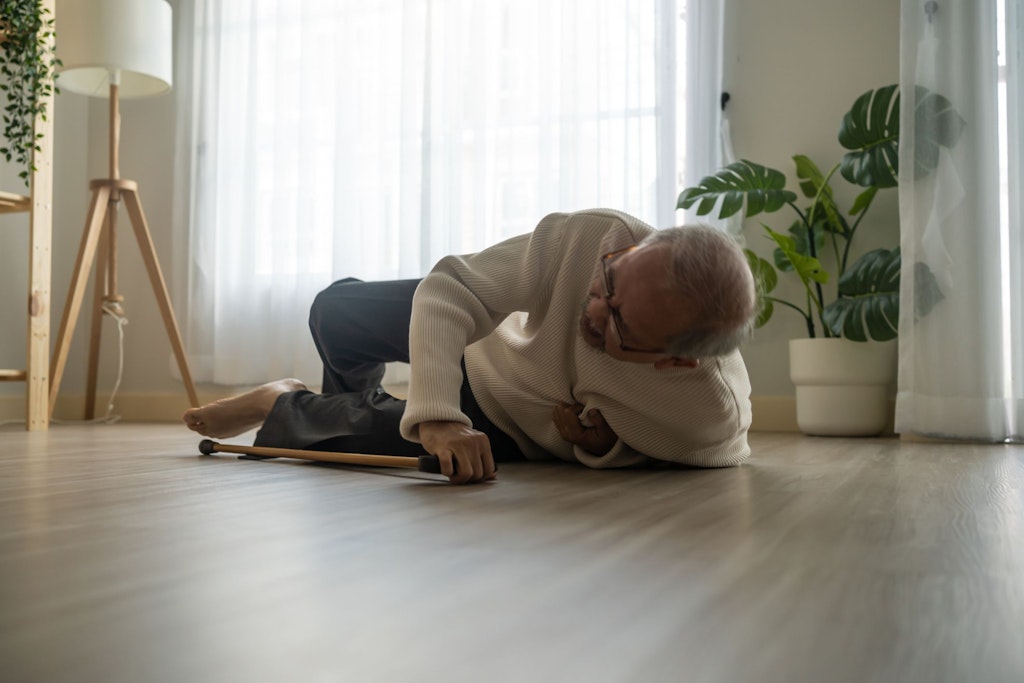
SPONSORED – The Australian Government announced in 2022 that it had pushed back the ambitious July 2023 date to deliver in-home aged care reforms by July 1 2024, the deadline decided by the Royal Commission into Aged Care Quality and Safety.
The original date, proposed by the former Liberal Government, was deferred by the incumbent Government, in order to deliver substantive change through collaboration with older Australians and community stakeholders, rather than trying to rush changes.
However, what does this shift mean for the interim and how can many of the key points of in-home reform be addressed in 2023?
In October, the Department of Health and Aged Care published a report on many of the key points of interest for the 2024 reforms, entitled ‘A New Program for In-Home Aged Care,’ highlighting what the Government intends to deliver.
Of note, the Government is looking at:
- Enabling older Australians to manage their own services simply and easily should they choose to do so
- Clinical oversight and practical assistance through care partners for older Australians receiving care at home
- Funding providers to meet the full cost of care while achieving value for money
- Developing a dynamic response to the changing needs of older Australians
- Fostering innovation and future investment in in-home aged care.
These same factors have also served as the basis for a lot of new and exciting innovation happening right now, with research and development leading to incredible results that already yield a greater sense of independence and security for in-home care.
Advanced, personalised and proactive telehealth care has been studied for years as a means of reducing ambulance mobilisation by 33.3%, taking the burden off of the emergency services system and freeing up millions of dollars in funds for the public system.
Through years of peer-reviewed independent research, findings show that care residents are three times more likely to be admitted to hospital as emergencies than over 75s in the general population.
Considerations of safety and security have been at the heart of helping older people maintain their independence and create a future for safe in-home care. Remote monitoring has given many the ability to act independently and live at home, with the chance to reach out and get assistance when needed.
A range of new remote monitoring devices are now making the switch to 4G as opposed to standard telehealth communication, which may not operate as intended during blackouts.
“I think that the pandemic showed more people what is possible, what could be possible. Having us available as a support to an individual means less of a need for intensive physical interventions, such as having to visit someone in their home to see if they are okay or if the worst happens, taking them to hospital, keeping them in hospital for longer,” said Marketing Manager of Tunstall Australasia, Alistair Wilkes.
Tunstall Australasia have been hard at work on a product line which caters to the needs of older Australians receiving in-home care, with Lifeline Digital developed by the Tunstall Nordic team.
The Lifeline Digital personal alarm and advanced communication device addresses many of the concerns that the Government has for home care, including 24/7 access to remote monitoring and assistance.
If a client were to trigger an alarm through their pendant, they will be placed through to the customer care centre and the care consultant can decide based on the information available whether family, friends or emergency services should be contacted.
Remote monitoring for in-home aged care presents an alternative to residential care or as a complementary way to deal with staffing in the sector, as Tunstall is constantly looking for new ways to innovate and let people get help without constant surveillance.
“Yeah, it’s not like a camera watching you all the time. It’s really just a matter of monitoring certain movements or behaviours in the home and being able to — at a macro level — identify if there’s some unusual variations here or there hasn’t been any movement outside of the hallway between the bedroom and the kitchen all day,” said Alistair, speaking about the future of monitoring technology.
Tunstall lets providers allocate emergency alerts for in-home aged care to the right people, further allowing a sense of independence and ensuring that appropriate responses are issued.


